Indirizzo
304 Nord Cardinale
St. Dorchester Center, MA 02124
Orario di lavoro
Da lunedì a venerdì: dalle 7.00 alle 19.00
Fine settimana: 10.00 - 17.00
Indirizzo
304 Nord Cardinale
St. Dorchester Center, MA 02124
Orario di lavoro
Da lunedì a venerdì: dalle 7.00 alle 19.00
Fine settimana: 10.00 - 17.00
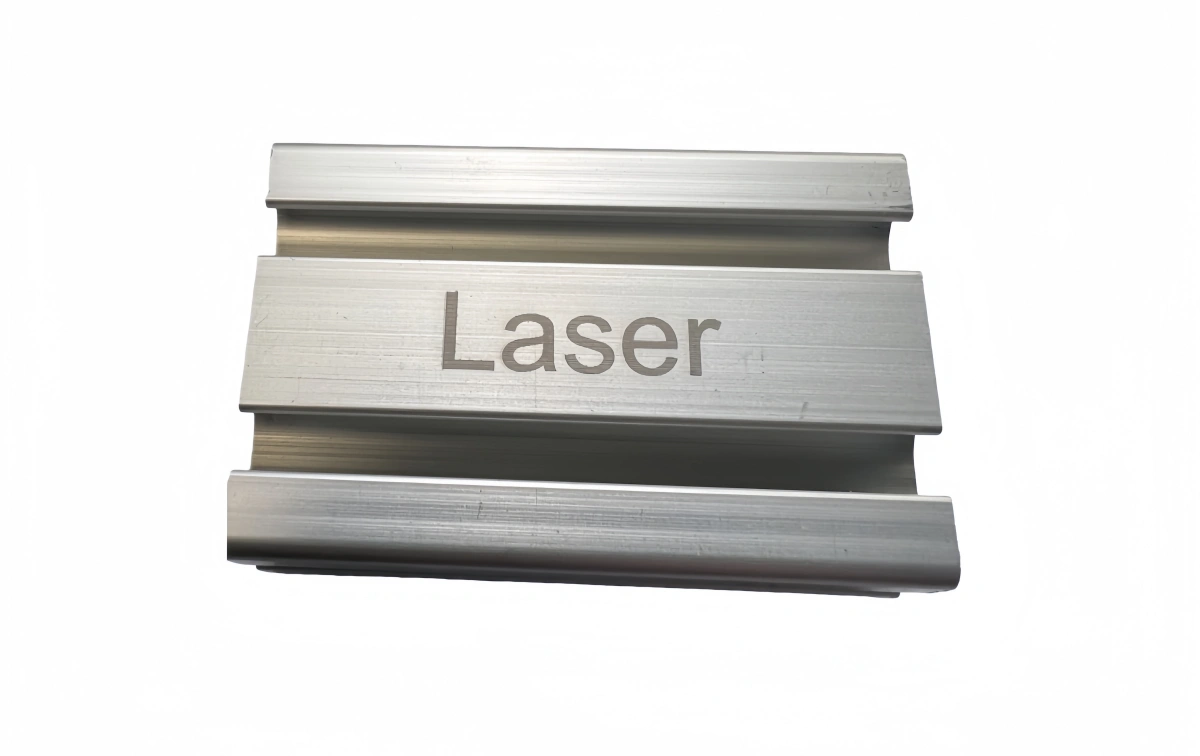
I know the struggle of finding permanent, clear markings for your mechanical parts. You do not want fading labels or unclear serial numbers affecting your brand’s reputation or causing assembly errors. Laser etching anodized aluminum is often the answer, but understanding how it fits your specific production needs is crucial.
Laser etching anodized aluminum removes the colored oxide layer to reveal the base metal underneath. This process creates high-contrast, permanent marks without compromising the part’s structural integrity or dimensional tolerance.
You might be confused by the technical terms shops throw around. Are they cutting deep into your part or just scratching the surface? It is essential to distinguish laser etching anodized aluminum from deep engraving methods.
The main difference is depth and texture. Laser etching anodized aluminum only removes the top oxide layer for visual contrast. Engraving cuts physically into the metal, changing the surface texture and depth significantly.
When we manufacture parts at ALUT, we see clients mixing up these terms constantly. It is vital to understand the distinction because laser etching anodized aluminum affects the final look and the function of your product differently than mechanical engraving.
The Depth Factor
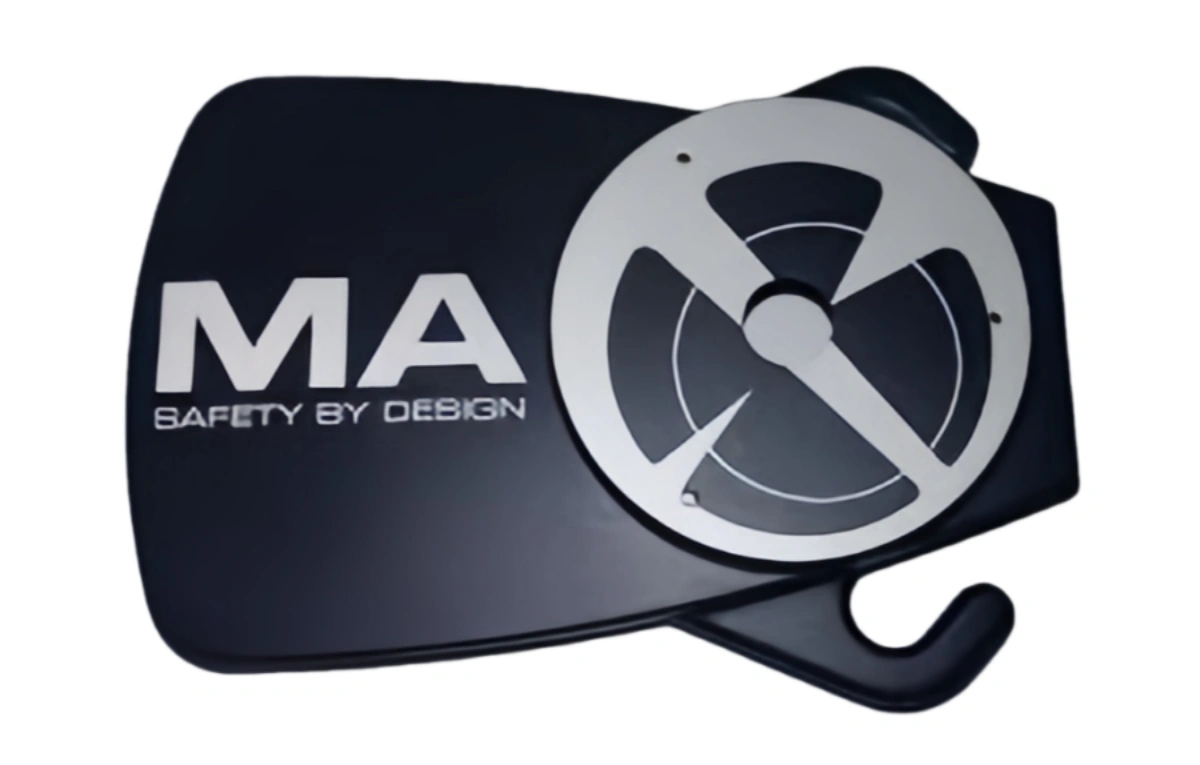
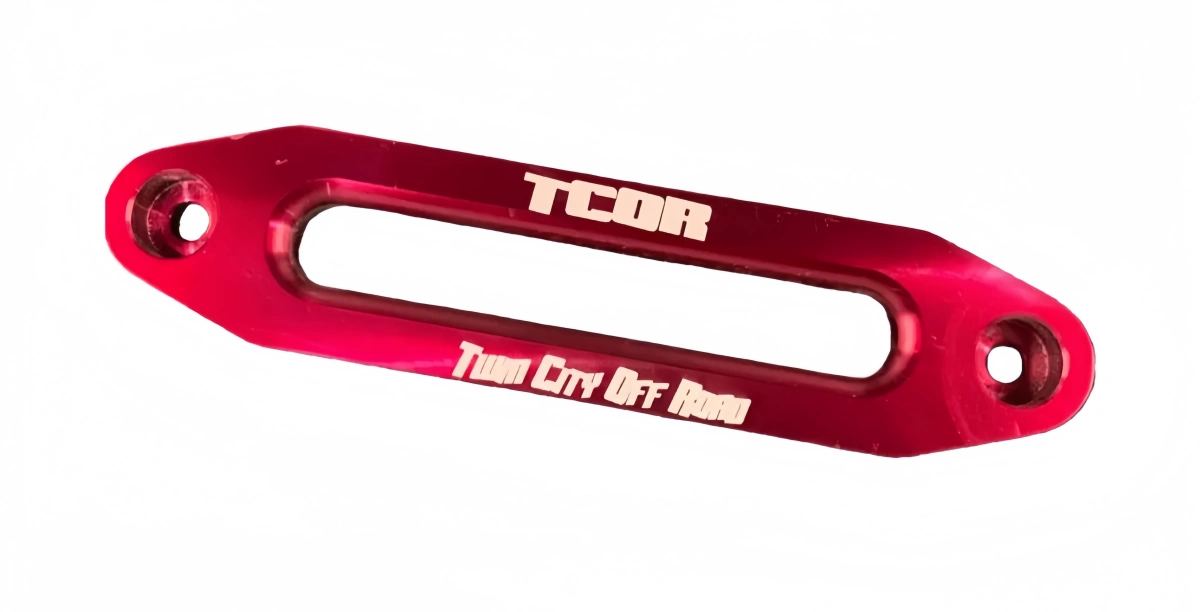
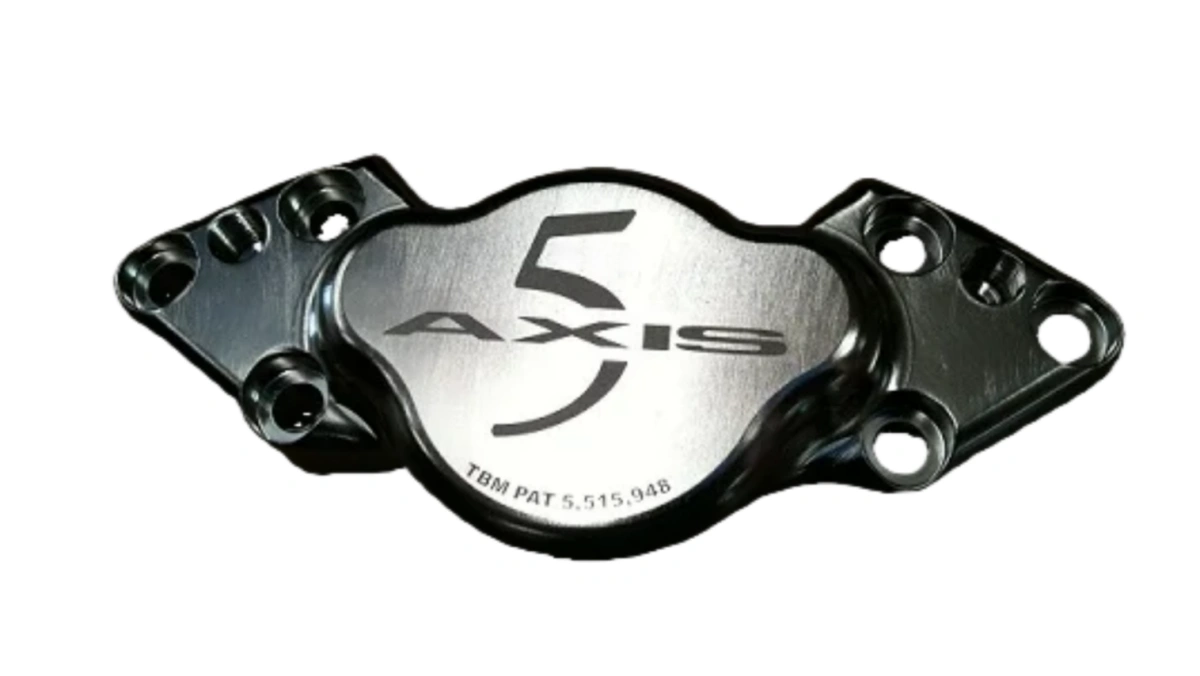
Think of the anodized layer as a skin. When we perform laser etching anodized aluminum, we are simply peeling back that very thin skin. The laser beam hits the surface and vaporizes the dye and the oxide layer. This reveals the silver or gray aluminum underneath. The result is a smooth finish. You can run your finger over it, and you will barely feel a bump. This makes laser etching anodized aluminum perfect for barcodes, QR codes, and logos where you want a clean look without altering the part’s dimensions.
Engraving is different. It is aggressive. The laser or a mechanical tool digs a trench into the metal. If you need the mark to survive heavy abrasion or if you want to fill the mark with paint later, you choose engraving. However, for most electronic housings or precision instrument panels, engraving might be too much. It can weaken thin walls, whereas laser etching anodized aluminum leaves the substrate intact.
Implications for Production
For a purchasing manager, the choice impacts cost and speed. The laser moves quickly because it does not need to remove much material. Engraving takes more time and energy.
| Caratteristica | Laser Etching | Laser Engraving |
| Depth | Very Shallow (0.0001″ – 0.002″) | Deep (0.005″ – 0.125″+) |
| Tactile Feel | Smooth or very slight texture | Noticeable groove |
| Speed | Fast | Slow |
| Wear Resistance | Good (until surface wears down) | Excellent (lasts as long as the part) |
| Best For | Barcodes, Logos, Serial Numbers | Heavy machinery tags, Molds |
If you send us a drawing that requires tight tolerances, I usually recommend laser etching anodized aluminum. It ensures that the heat from the process does not warp your customized aluminum products. It keeps the part within spec while giving you the branding you need.
Choosing the wrong equipment can ruin a batch of expensive custom parts. I have seen it happen too often when suppliers cut corners and use the wrong laser for laser etching anodized aluminum.
Fiber lasers are generally the best choice for marking metals, but for specifically removing the anodized layer in laser etching anodized aluminum, MOPA fiber lasers offer the most control over pulse duration and contrast.
In the world of manufacturing, not all lasers are created equal. If you are sourcing parts from China or Vietnam, you need to ask your supplier what equipment they use for laser etching anodized aluminum.
Why Fiber Lasers Win
Fiber lasers are the industry standard for metal. They produce a wavelength that metals absorb very well. When we use a fiber laser for laser etching anodized aluminum, the beam is incredibly small and focused. This allows us to draw tiny text or complex diagrams that are still readable.
The standard fiber laser works by heating the surface rapidly. This vaporizes the anodized coating. It is fast and efficient. For 90% of your projects, a standard fiber laser does a fantastic job with laser etching anodized aluminum. It turns the marked area a bright white or silver color against the dark anodized background.
The MOPA Advantage
However, if you want something premium, you look for MOPA (Master Oscillator Power Amplifier) lasers. Why? Because they are flexible. A standard laser has a fixed pulse width. A MOPA laser lets us change how long the laser pulse lasts.
By adjusting these settings during laser etching anodized aluminum, we can do more than just white marks. On some dark anodized aluminum, a MOPA laser can actually create black marks. It does this by creating a specific type of surface structure that traps light. This looks very sleek on high-end consumer electronics.
When you audit a supplier or discuss a new laser etching aluminum project, ask them these questions:
At our factory, we maintain different types of machines. We do this because a simple part number label does not need the same machine as a high-end logo on a front panel. Matching the machine to the specific laser etching anodized aluminum job saves you money.
Many factories have CO2 lasers for cutting acrylics or wood. You might wonder if we can use the same machine for your metal parts to save time, or if laser etching anodized aluminum requires a dedicated setup.
Yes, you can use a CO2 laser for laser etching anodized aluminum. It works by bleaching the dye in the anodized layer, turning the marked area white without cutting into the metal.
This is a very common question from clients who are familiar with DIY lasers or smaller shops. The short answer is yes, but the mechanism of laser etching anodized aluminum using CO2 is different from fiber lasers.
How CO2 “Bleaching” Works
A CO2 laser produces a different wavelength of light compared to a fiber laser. Most raw metals act like mirrors to a CO2 beam; they reflect the energy away. You cannot cut raw aluminum with a standard CO2 laser.
However, anodized aluminum is different. The anodized layer is an organic change to the surface. When the CO2 laser hits this layer, it heats up the oxide and the dye trapped inside it. It essentially “bleaches” the color. It creates a nice, white mark. The interesting part is that the metal underneath stays relatively cool. The laser does not vaporize the aluminum; it just changes the coating. This is a unique characteristic of laser etching anodized aluminum when done with CO2.
Limitations You Should Know
While it works, it is not always the best tool for mass production of industrial parts using laser etching anodized aluminum.
When to Use CO2
We typically use CO2 for laser etching aluminum when the part is mixed material. For example, if you have a control panel that is half acrylic and half aluminum, a CO2 laser can mark both without changing tools.
Here is a quick breakdown of the visual difference:
| Laser Type | Visual Result | Edge Sharpness |
| Fiber Laser | Bright White / Silver / Gray | Extremely Sharp |
| CO2 Laser | Soft White / Bleached Look | Softer Edges |
If your priority is absolute sharpness and speed, stick with fiber for laser etching anodized aluminum. If you have a supplier who only has CO2, the result will still be acceptable for general labels, but verify the sample first.
Corrosion resistance is critical for industrial parts exposed to the elements. You cannot afford for your labels to become rust spots after a few months. A common concern is whether laser etching anodized aluminum compromises this protection.
Laser etching anodized aluminum does remove the sealed anodic layer at the marking site. However, because aluminum naturally oxidizes quickly, a new, thin passivation layer forms immediately to protect the exposed area.
This is the most critical technical question for any product manager designing outdoor equipment or marine parts. The whole point of anodizing is to protect the aluminum from oxidation and wear. So, if we blast that away with laser etching anodized aluminum, are we ruining the part?
The Science of Re-Oxidation
When we perform laser etching anodized aluminum, we are indeed removing the thick, hard coat that we created in the anodizing tank. You are exposing the raw aluminum alloy to the air.
But here is the magic of aluminum: it protects itself. As soon as the raw aluminum touches oxygen, it forms a natural aluminum oxide film. This happens in milliseconds. This natural film is not as thick or as hard as the anodized layer, but it prevents the metal from rusting away like iron would. This means laser etching anodized aluminum is safe for many applications, but not all.
Real-World Application Risks
For parts that sit inside a machine or an office, this natural layer is plenty of protection. The mark from laser etching anodized aluminum will stay bright and clean for years.
However, if your parts are going to be on an oil rig or right next to the ocean, the etched area is a weak point. Salt spray can attack that thin natural oxide layer. In these cases, the area where we did the laser etching anodized aluminum might start to pit or corrode sooner than the rest of the colored part.
If you are worried about this, we have solutions in the factory to enhance the durability of laser etching anodized aluminum:
Environmental Risk Assessment
Use this table to decide if you need extra protection after laser etching anodized aluminum:
| Environment | Risk Level | Recommendation |
| Indoor / Office | None | Standard laser etching anodized aluminum is fine. |
| Outdoor (Rain/Sun) | Basso | Standard etching is usually fine. |
| Industrial (Chemicals) | Medio | Test samples first. Consider clear coat. |
| Marine (Salt Water) | Alto | Avoid exposing raw metal. Use engraving with paint fill or clear coat sealing. |
I always tell my clients to be honest about where the product will live. If you tell me it is for a submarine, I will not recommend standard laser etching anodized aluminum without a secondary seal.
Laser etching anodized aluminum is a precise, cost-effective way to brand your parts. It works for most industries, but understanding the machinery and environmental risks is key. Whether you need a simple barcode or a complex logo, choosing the right method ensures quality. Contact ALUT for professional advice on your next laser etching anodized aluminum project.