Indirizzo
304 Nord Cardinale
St. Dorchester Center, MA 02124
Orario di lavoro
Da lunedì a venerdì: dalle 7.00 alle 19.00
Fine settimana: 10.00 - 17.00
Indirizzo
304 Nord Cardinale
St. Dorchester Center, MA 02124
Orario di lavoro
Da lunedì a venerdì: dalle 7.00 alle 19.00
Fine settimana: 10.00 - 17.00
I know the struggle you face when choosing materials. You need a surface treatment that looks professional, resists wear, and fits your budget, but the options are overwhelming. Let me simplify this choice for you today.
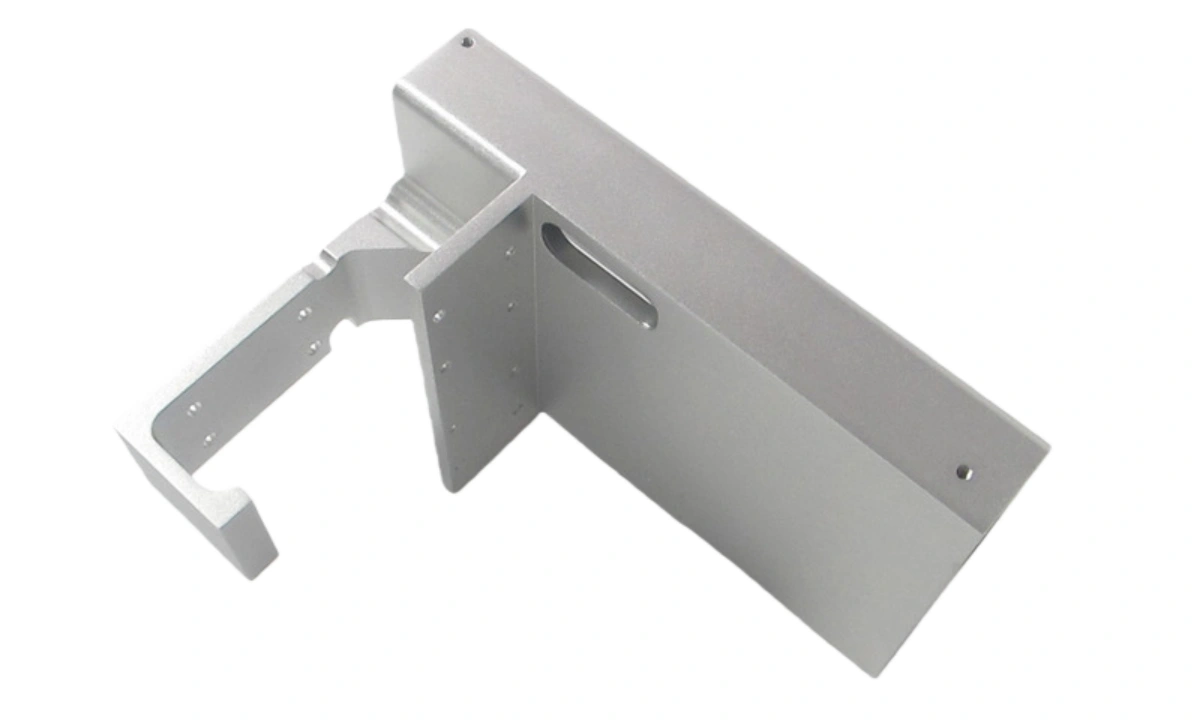
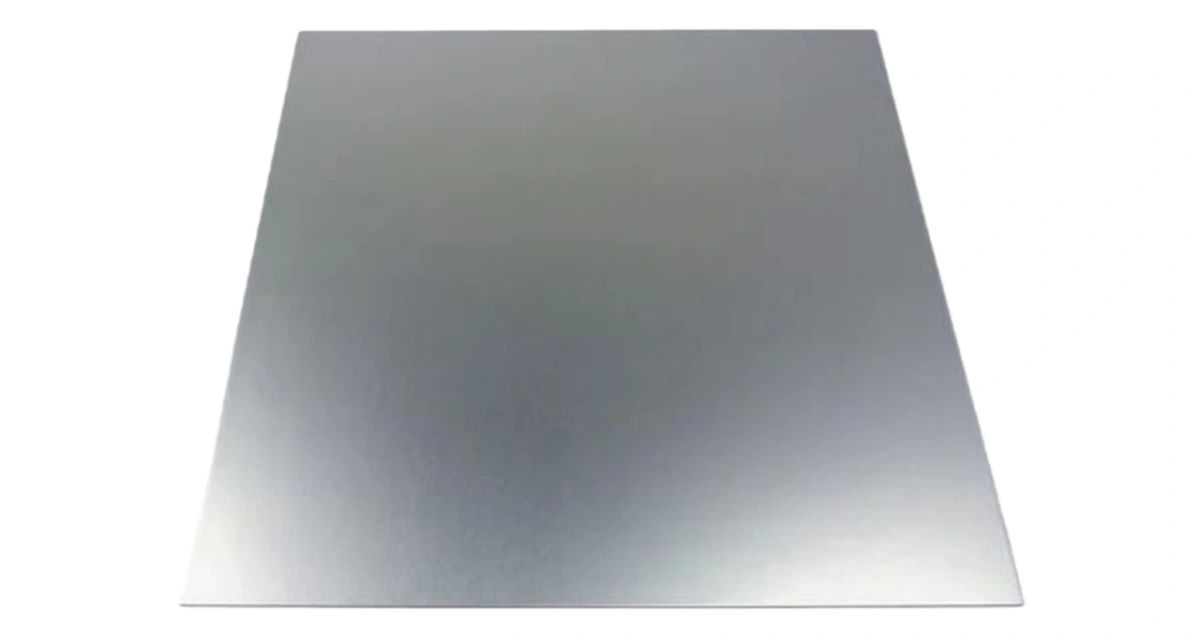
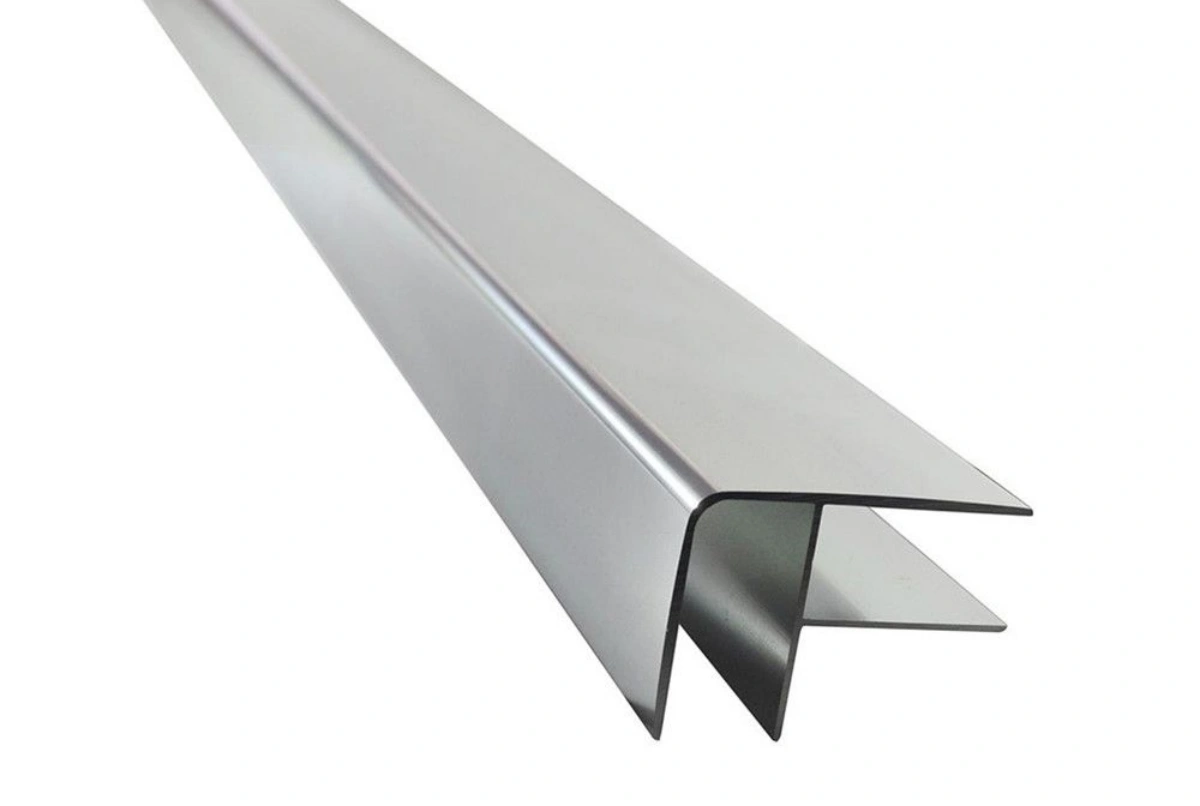
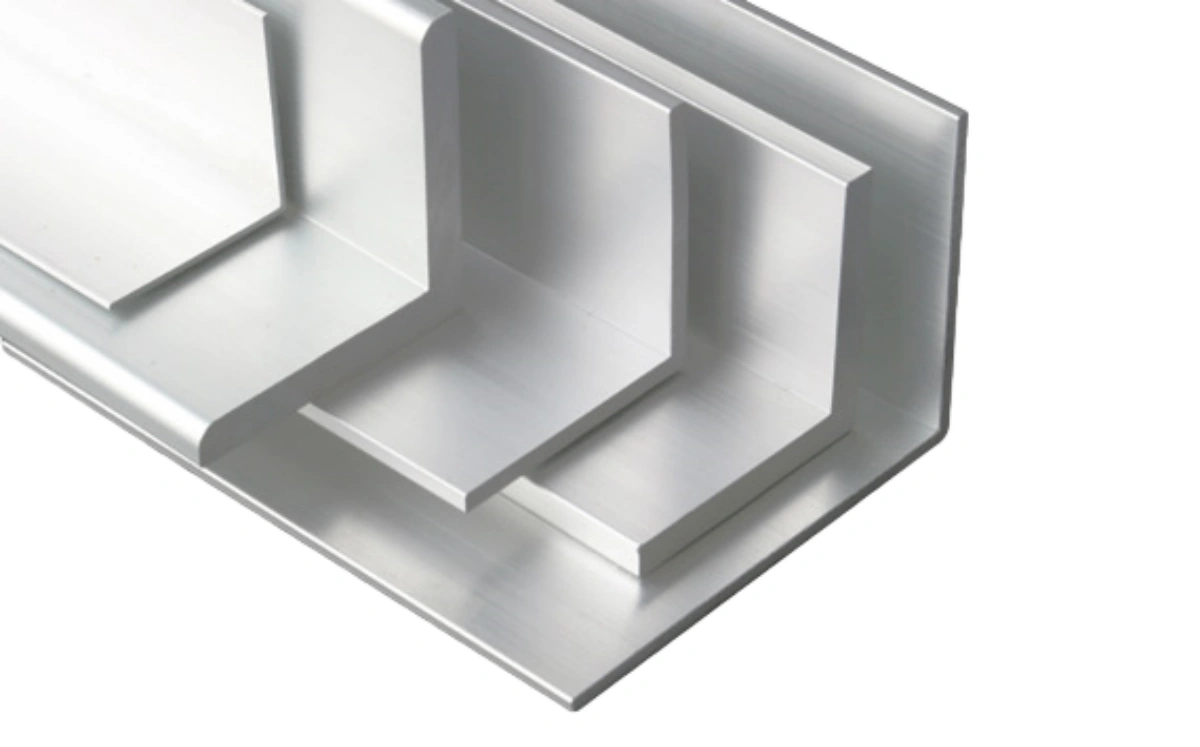
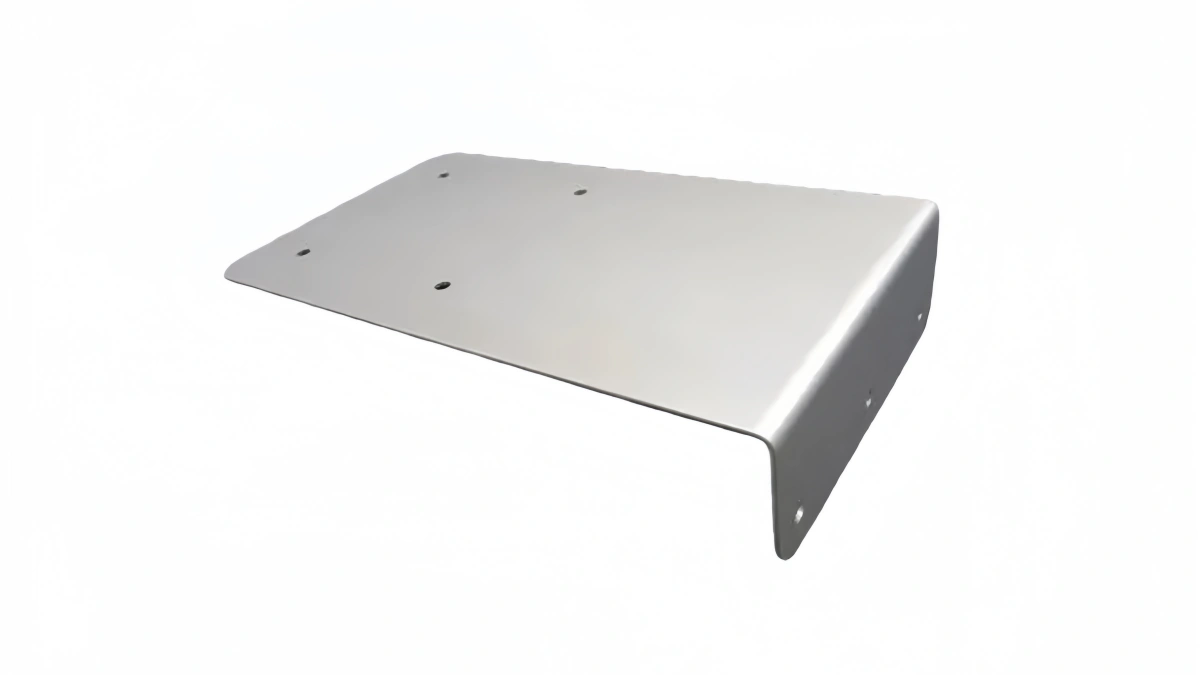
Clear anodized aluminum finish is an electrochemical process that thickens the natural oxide layer on aluminum parts. It creates a transparent, durable barrier that protects against corrosion and scratches while keeping the natural metallic look of the aluminum visible.
If you are sourcing custom parts for your machinery, understanding this finish is vital for your supply chain success. It is not just about looks; it is about performance.
I have seen many clients confused by technical terms during our project discussions. You might wonder if this process changes the metal’s color or if it is just a clear paint.
This process submerges aluminum in an acid electrolyte bath and passes an electric current through it. It builds a hard, protective oxide layer on the surface that is not a coating but part of the metal itself, ensuring it does not peel or chip.
When we talk about clear anodized aluminum finish at my factory, we are talking about science working for your business. It is fascinating because we are not adding a layer of foreign material like paint or plating. Instead, we are forcing the aluminum to oxidize in a very controlled way. This is crucial for buyers like you who need consistent quality across thousands of parts.
The process starts by cleaning the aluminum perfectly. Any oil or dirt will ruin the result. We then place the parts in a tank filled with an acid solution. When we turn on the electricity, oxygen ions serve a specific purpose. They rush to the surface of the aluminum. They bond with the aluminum atoms. This creates aluminum oxide.
In nature, aluminum does this on its own, but the layer is very thin and uneven. In our tanks, we make that layer thick and hard. Because we do not add any dyes or pigments during the sealing stage, the natural silver color of the aluminum shows through. That is why we call it “clear.” It is like putting a transparent armor on your product.
For a purchasing manager, the “class” of the anodizing matters. You can order different thicknesses.
| Class | Thickness (mils) | Best Application |
| Class I | 0.7 mil or thicker | High-traffic exterior use, severe environments. |
| Class II | 0.4 to 0.7 mil | Interior use, standard architectural applications. |
| Decorative | 0.2 to 0.4 mil | Light duty, mostly for cosmetic purposes. |
If you are buying parts for industrial machines, you usually want a thicker layer. It resists scratches better. If you just want it to look shiny on a shelf, a thinner layer might save money. However, be careful. If the layer is too thin, it won’t protect against corrosion during sea shipping from China or Vietnam to the US. I always advise my clients to specify the thickness they need to avoid disappointment later.
You might think raw aluminum is “good enough” to save costs on your next order. But I have seen mill finish parts fail quickly in the field, causing headaches for everyone.
Mill finish is the raw state of aluminum after extrusion or machining, with only a thin natural oxide layer. Clear anodized aluminum finish has a controlled, thickened oxide layer that provides significantly higher resistance to corrosion, wear, and scratching compared to the raw metal.
To understand the value of clear anodized aluminum finish, you have to look at what you start with. “Mill finish” is simply the metal as it comes out of the die or the CNC machine. It looks like metal, but it has problems that can hurt your product’s reputation.
Raw aluminum is reactive. If you leave a mill finish part outside, or even in a humid warehouse, it starts to oxidize. This oxidation is not the good kind. It looks like white dust or dark spots. It is uneven. If you touch raw aluminum, your hands might get dirty with black residue. This is aluminum oxide rubbing off.
For your customers, this feels cheap. If you are selling high-end mechanical parts or consumer electronics, you cannot have the user’s hands getting dirty. Anodized parts are sealed. They are clean to the touch. They feel smooth, like glass or ceramic.
Another big difference is the look. Mill finish shows every scratch from the manufacturing process. It shows the “grain” of the extrusion. It might have water stains from the cooling process. It looks industrial, but in a messy way.
When we apply a clear anodized aluminum finish, we usually etch the surface first. This is a chemical matte step. It hides small die lines and minor scratches. The result is a uniform, matte silver appearance. It looks finished and professional.
Here is a quick breakdown of why you should pay the extra cost for anodizing:
| Caratteristica | Mill Finish (Raw) | Clear Anodized Finish |
| Resistenza alla corrosione | Low (susceptible to white rust) | High (sealed protection) |
| Surface Hardness | Soft (easily scratched) | Hard (sapphire-grade hardness) |
| Cleanliness | Dirty (residue on hands) | Clean (sealed surface) |
| Electrical Conductivity | Conductive | Insulator (non-conductive surface) |
Note the conductivity point. This is often a pain point. Mill finish conducts electricity. Anodized aluminum does not conduct electricity on the surface. If your part needs to be grounded, we must mask certain areas before anodizing. This is a detail many design engineers forget, and it causes issues during assembly.
Choosing between anodizing and powder coating is a classic debate. I help buyers make this choice every day based on their specific project needs and budget.
Clear anodized aluminum finish integrates with the metal and offers a metallic look, making it peel-proof. Powder coating applies a dry paint layer that sits on top, offering more color options but carrying a risk of chipping. Anodizing is generally better for high-traffic or tight-tolerance areas.
This is one of the most common questions I get from US and European buyers. “Wilson, should we paint it or anodize it?” The answer depends on what you value more: color variety or metallic durability. Since we are discussing clear anodized aluminum finish, we are focusing on keeping that metallic look.
As a purchasing manager for mechanical parts, you worry about tolerances. This is where anodizing wins. Powder coating is thick. It adds about 2 to 4 mils (thousands of an inch) to the surface. If you have a hole that needs a precise fit for a bolt, powder coating might clog it. You have to mask the holes, which costs money.
Anodizing is much thinner and more predictable. It penetrates the metal and builds out slightly. We can calculate exactly how much the part will grow. Usually, it is a very small amount. This makes clear anodized aluminum finish ideal for precision machined parts. You do not have to worry as much about the parts not fitting together during assembly.
Powder coat is basically a layer of plastic paint baked onto the metal. It looks great when it is new. But if you scratch it, you expose the raw aluminum underneath. Moisture gets under the paint. The paint starts to lift and peel. We call this “under-film corrosion.”
Anodized aluminum cannot peel. The finish is the metal. If you scratch it, you might see a mark, but the finish won’t flake off in sheets. It stands up better to sunlight (UV rays). Clear anodizing does not fade because there is no dye to fade. Powder coating can chalk or fade over years in the sun.
However, for a premium look that says “this is real metal,” nothing beats anodizing. It is the preferred choice for electronics, high-end window frames, and medical devices.
Once you buy these parts, your clients need to maintain them. I often get asked how to keep that metallic shine looking new for years.
To clean clear anodized aluminum surfaces, use a mild soap and warm water solution with a soft cloth or sponge. Avoid acidic cleaners, strong alkalis, or abrasive pads like steel wool, as these can permanently damage the protective oxide layer and ruin the finish.
Maintenance is often an afterthought in the buying process, but it affects your customer’s satisfaction. Clear anodized aluminum finish is tough, but it is not invincible. It is chemically stable, but it has a specific weakness: extreme pH levels.
The most important rule is to stay neutral. The oxide layer can be dissolved by strong acids (like muriatic acid) or strong alkalis (like lye or some heavy-duty degreasers).
If you use a high-alkaline cleaner, it will attack the finish. It starts by making the clear finish look cloudy or milky. We call this “etching.” Once the finish is etched, you cannot fix it. You cannot polish it back to clear. The damage is permanent.
I always tell my clients to put a warning label or a note in their user manual: “Clean only with neutral soap (pH 6-8) and water.”
Here is a simple process you can recommend to your quality team or end-users:
Sometimes soap is not enough. Maybe there is grease, glue, or paint overspray.
By following these simple rules, the clear anodized aluminum finish will look brand new for twenty years or more. It is a low-maintenance material, which is a huge selling point for your products.
Clear anodized aluminum finish offers a premium, durable, and precise solution for your parts. It protects your investment and ensures quality. If you need reliable custom parts, let’s talk.